
PPC 101: The Blueprint for Profitable Advertising on Google & Social
"PPC" (Pay-Per-Click) is often treated as a gambling machine. You put a dollar in, pull the lever, and hope three dollars come out.
But when done correctly, PPC is not gambling; it is engineering. It is a predictable, scalable system for acquiring customers.
However, the landscape is confusing. Should you be on Google? Instagram? TikTok? LinkedIn? At Ten Ken Group, we simplify this by breaking the digital world into two distinct categories: Intent (Google) and Interruption (Social).
Understanding the difference is the first step to stopping the "cash burn" and starting the ROI engine.
1. Google Ads: The Power of "Intent"
Google Ads (formerly AdWords) is a "Pull" mechanism.People come to Google because they have a problem and they want a solution right now.
- The User Mindset: "My sink is leaking." "I need accounting software." "Best running shoes for flat feet."
- The Strategy: You are bidding on keywords to place your solution directly in front of their question.
- The Pros: Conversion rates are high because the user is already looking to buy.
- The Cons: It is competitive and can be expensive (High CPC) because everyone wants these "hot" leads.
Best For: Capturing existing demand. If people are already searching for what you sell, you start here.
2. Social Media Ads (Meta/TikTok): The Power of "Interruption"
Social Ads (Facebook, Instagram, LinkedIn) are a "Push" mechanism.Nobody logs onto Instagram to buy a vacuum cleaner; they log on to see their friends or be entertained.
- The User Mindset: "I'm bored." "What are my friends doing?" "That’s a funny video."
- The Strategy: You must interrupt their scrolling with something so compelling (visuals/video) that they stop and pay attention. You are creating desire where there wasn't any 5 seconds ago.
- The Pros: You can target specific demographics (Age, Interests, Job Titles) and reach millions of people who didn't know your brand existed. It is generally cheaper per click than Google.
- The Cons: Conversion rates are lower initially because you caught them off guard. You need a strong "hook."
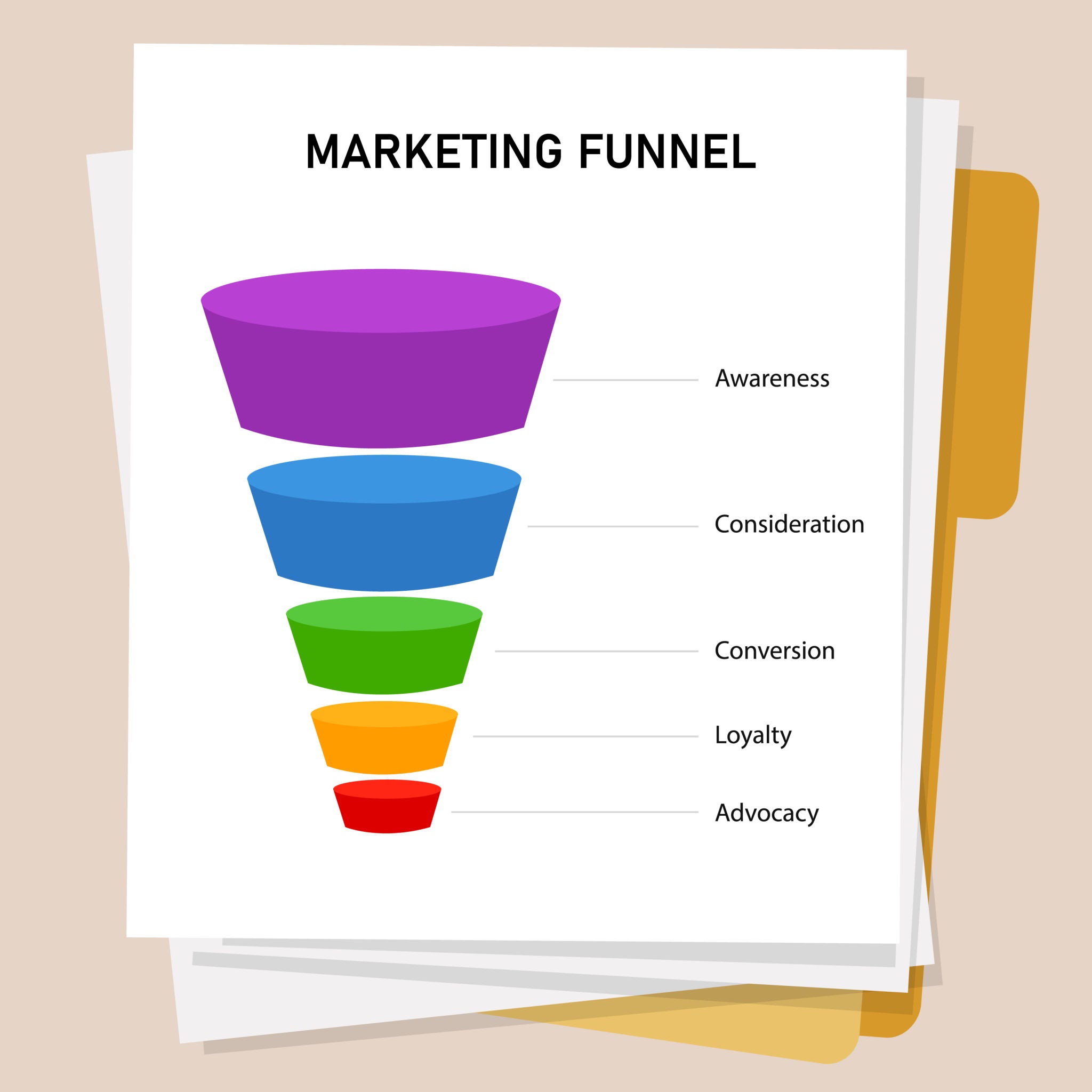
Best For: Creating new demand. If you have a visual product or a new solution people don't know to search for yet, you start here.
3. The "Boost Post" Trap
A warning to beginners: Never use the "Boost Post" button.
Facebook and Instagram make it very easy to click "Boost" to get more likes. This is a vanity trap. When you boost a post, the algorithm optimizes for "Engagement" (likes/comments), not "Conversions" (sales/leads).At Ten Ken Group, we only run ads through Ads Manager, where we can control the objective, the targeting, and the data infrastructure.
4. The Metrics That Actually Matter
Ignore "Likes" and "Impressions." Those are vanity metrics that don't pay the bills. In PPC 101, you only care about three numbers:
- CPA (Cost Per Acquisition): How much did you spend to get one paying customer? (e.g., spent $100, got 2 customers = $50 CPA).
- ROAS (Return on Ad Spend): For every $1 you put in, how many dollars came back? (e.g., spent $1, made $4 = 4.0 ROAS).
- CTR (Click-Through Rate): Are your ads interesting? (Industry average is ~1% for Social, ~3-5% for Search).
The TenKen Approach: Infrastructure First
Most beginners fail at PPC not because their ads are bad, but because their tracking is broken. They launch ads without installing the "Invisible Bridge" (CAPI or Enhanced Conversions).
If you can't track exactly which ad caused the sale, you can't optimize. We don't launch a single dollar of spend until the tracking infrastructure is solid.
Ready to stop gambling and start engineering? Contact Ten Ken Group to build your PPC strategy.
Ready to Elevate Your Digital Strategy?
Get personalized insights and actionable marketing recommendations from our experts